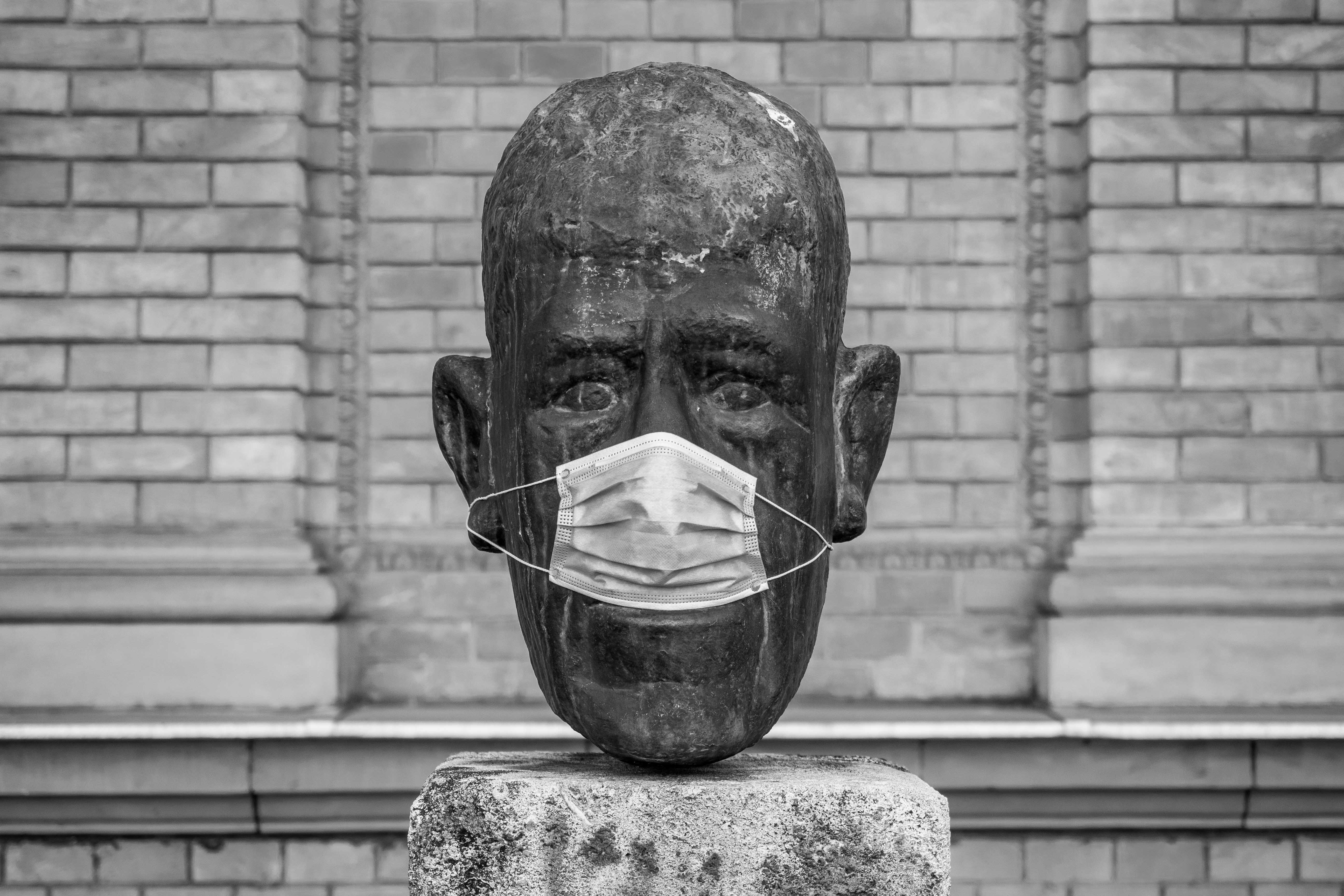
In front of the University of Applied Arts.
Vienna, first Covid lockdown. March 2020
Vienna went into its first Covid lockdown on 16 March 2020. Everything was closed: shops, coffee houses, bars, restaurants, cinemas, and theaters; even schools, kindergartens, playgrounds, and skate parks. Open were only supermarkets, pharmacies, banks and other crucial infrastructure such as hospitals. While further lockdowns followed, they never reached the same intensity.
In typical Viennese fashion, regulations were ambiguous. It was always allowed to leave one's home to go to work, do shopping, help others or “for physical and psychological recreation” (read: whenever you wanted as long as you did not crowd up too visibly). The measures were never as harsh as in Italy or Spain. Nevertheless, I have never seen Vienna so deserted ever before or after.
The pictures were taken on strolls and bike rides in the second and third districts on the first days of the lockdown.
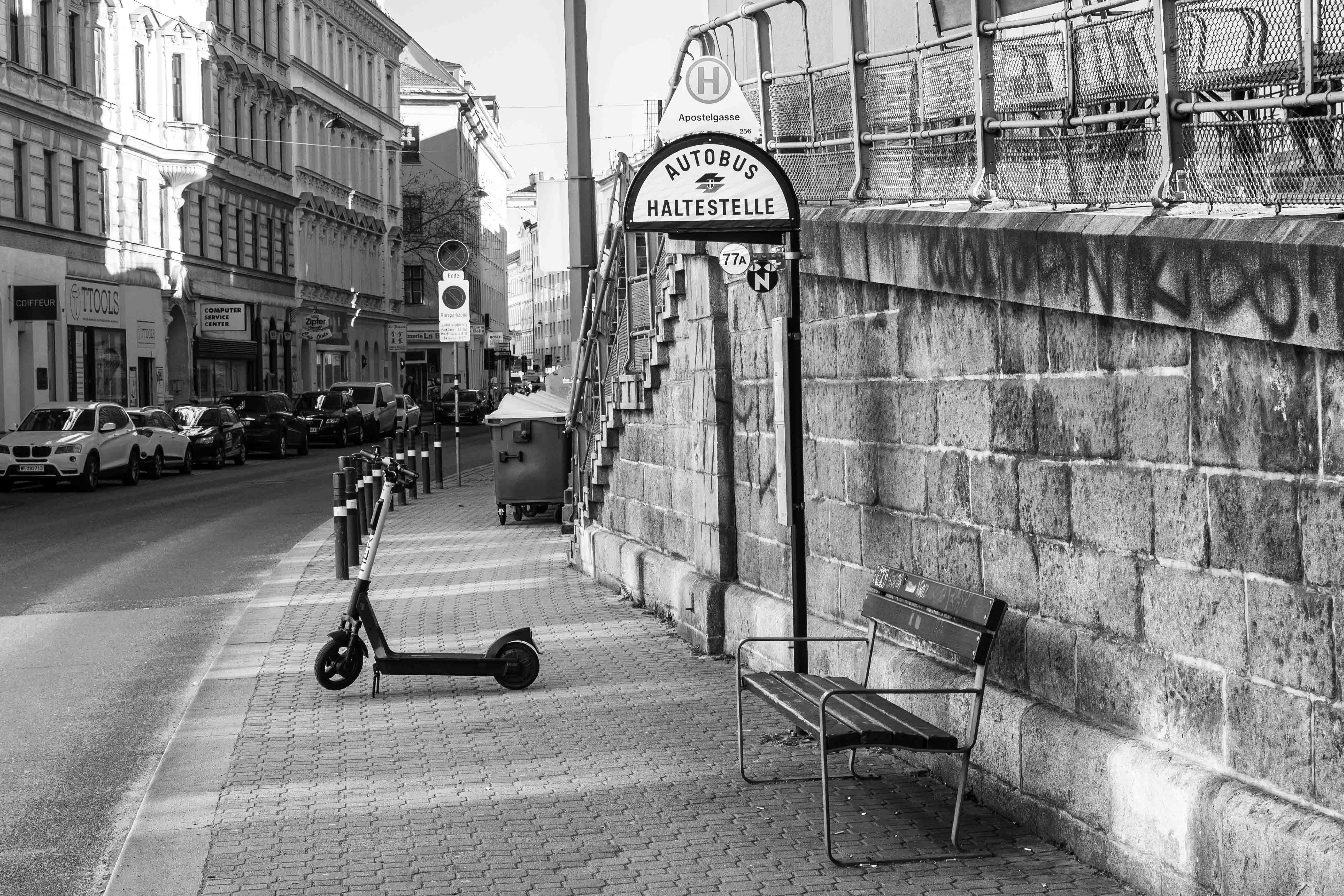
Erdbergstraße in the third district.
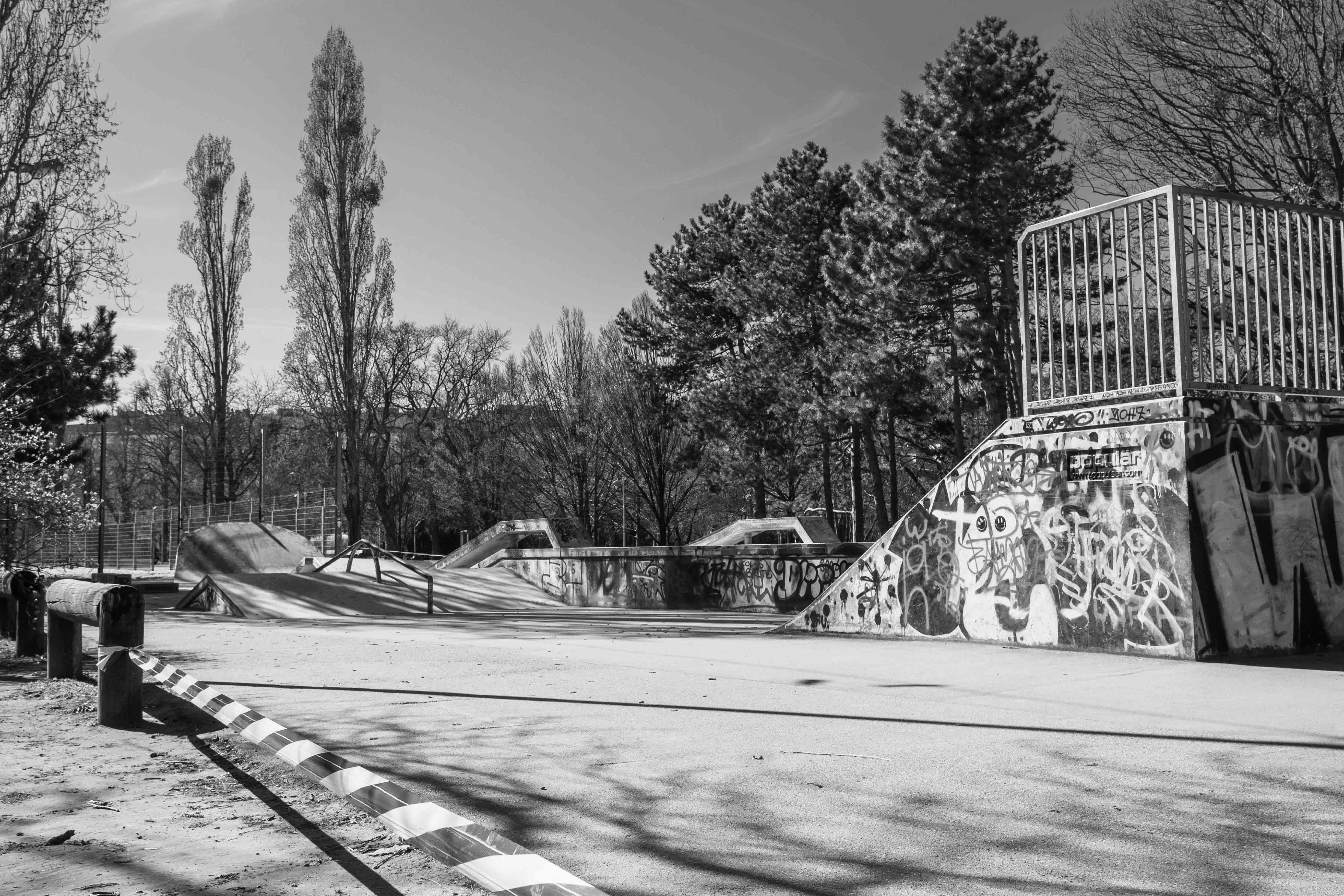
The skate park in the “green Prater”, a vast recreation area adjacent to the city centre covering nearly six square kilometres, lay deserted.
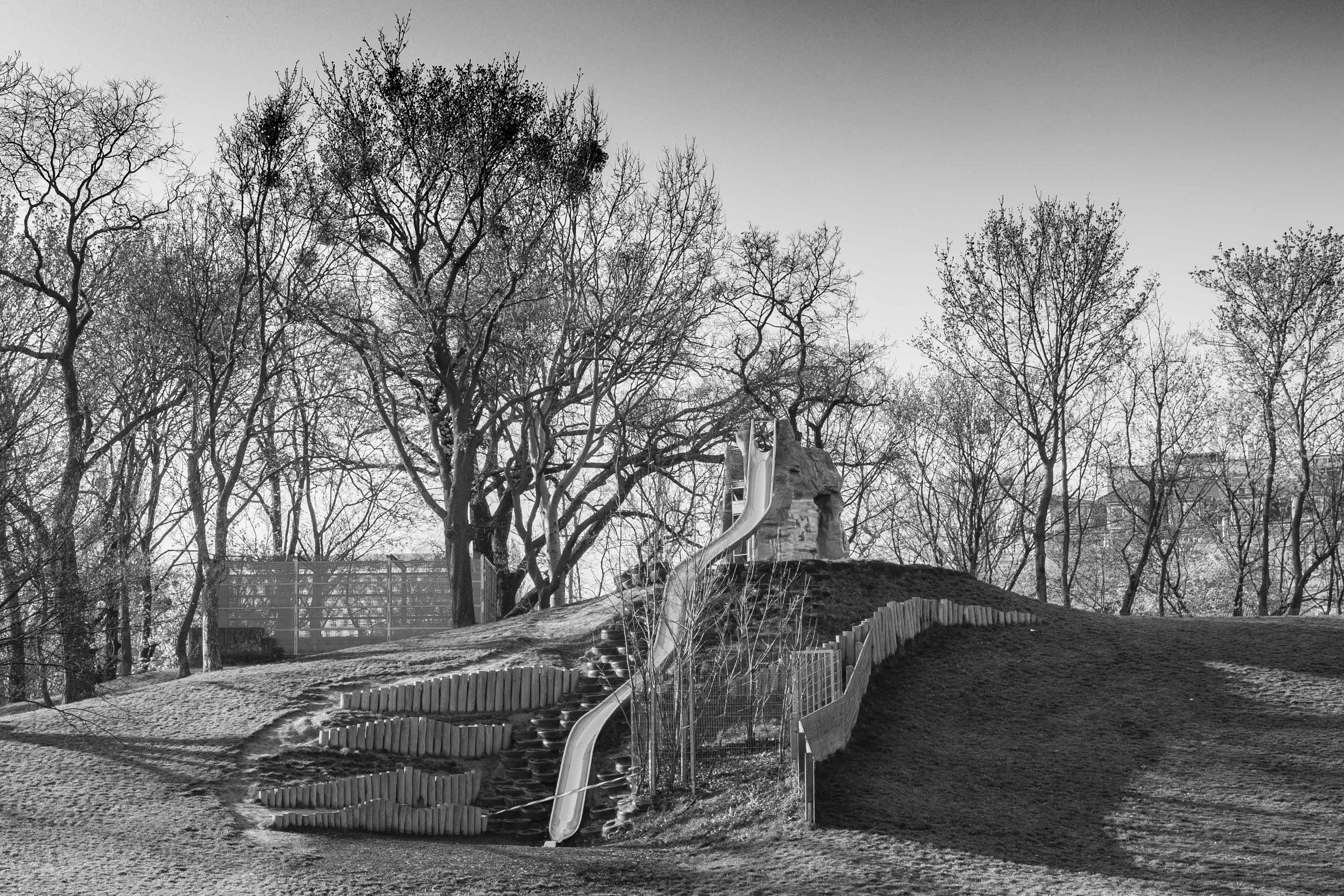
It was even prohibited to use the huge slide, usually very popular with children (and some adults).
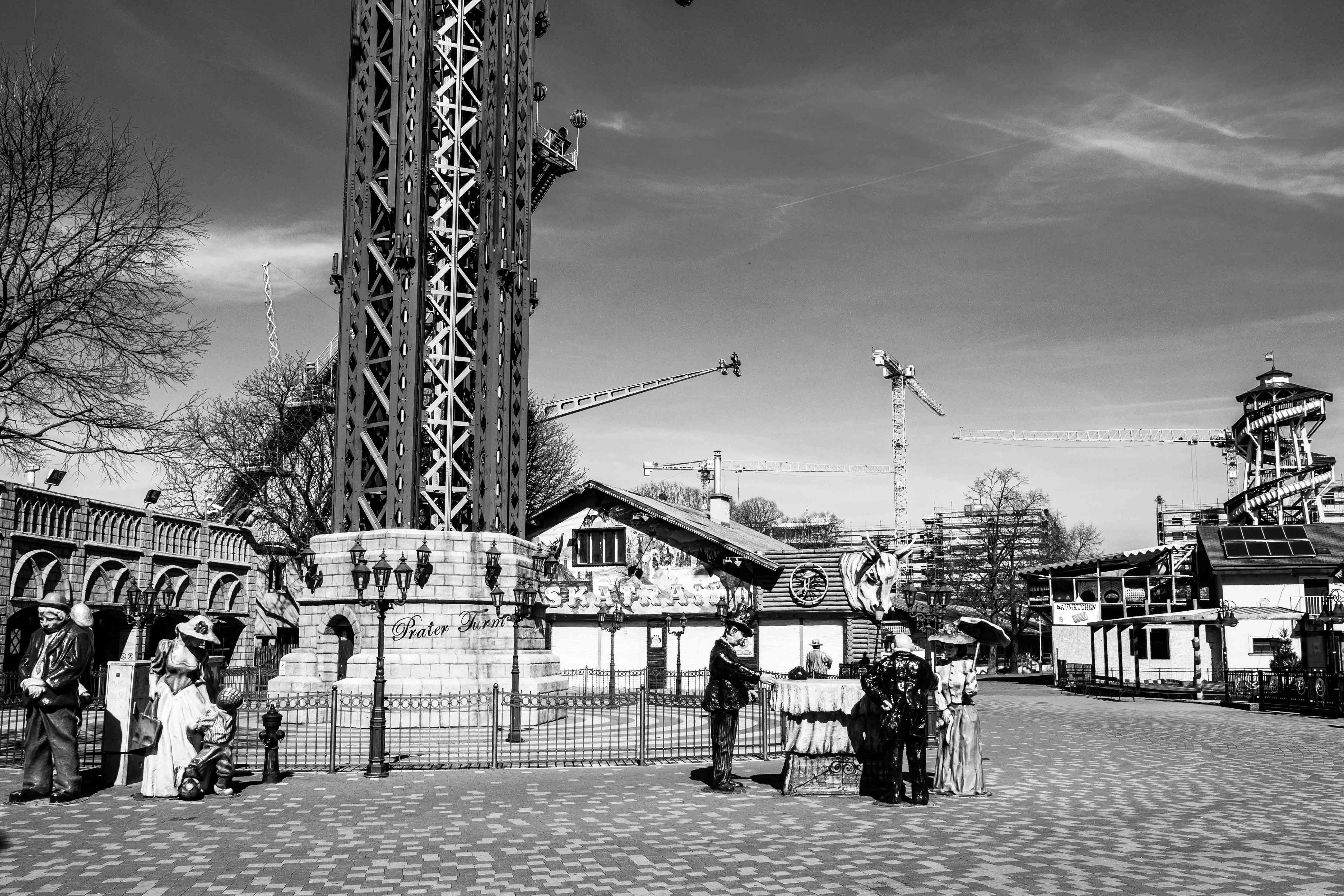
No soul was to be seen in the “Wurstelprater”, Vienna’s amusement park dating back to 1766.
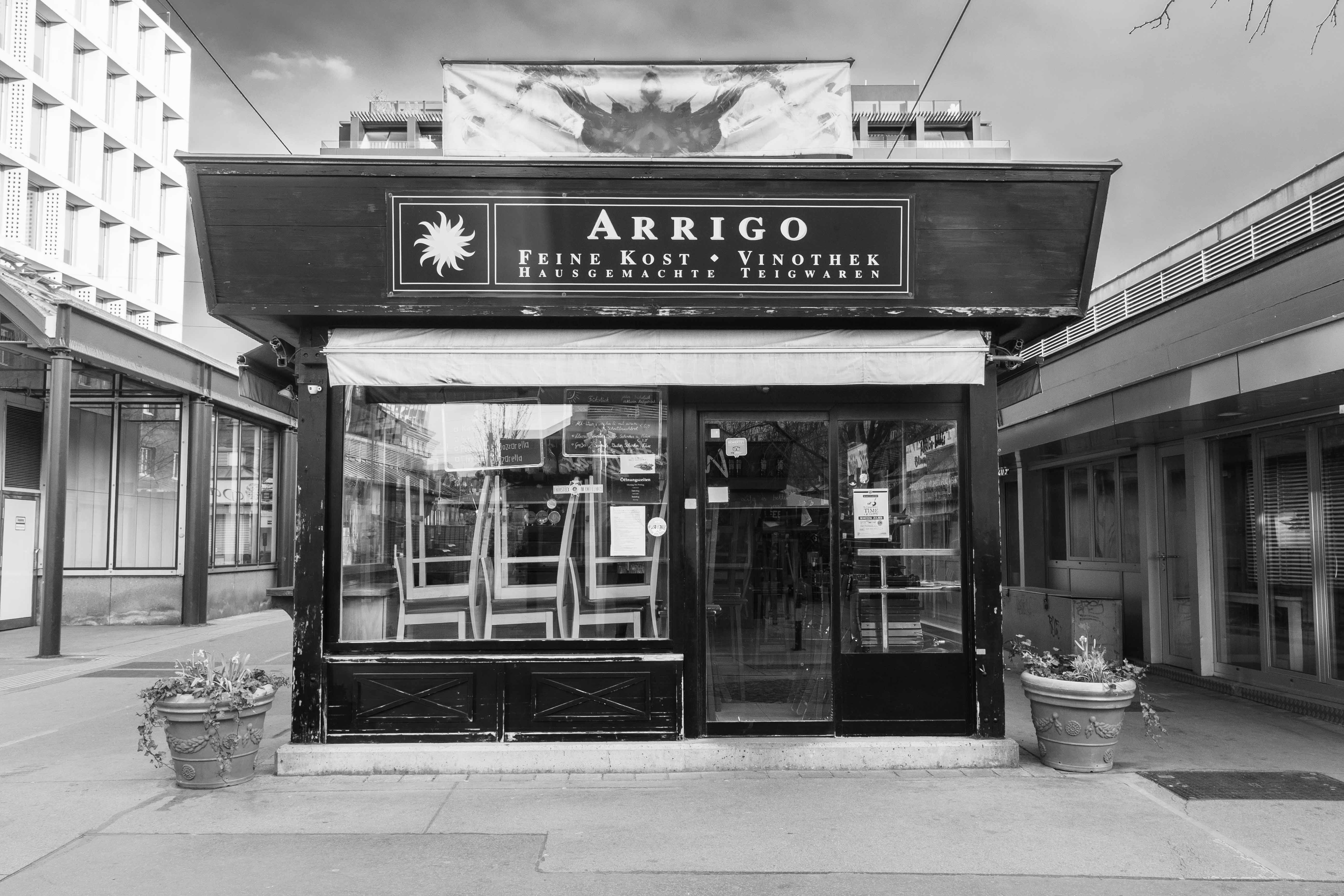
All restaurants, cafés and bars were closed for months, like “Arrigo” on Rochusmarkt in the third district.