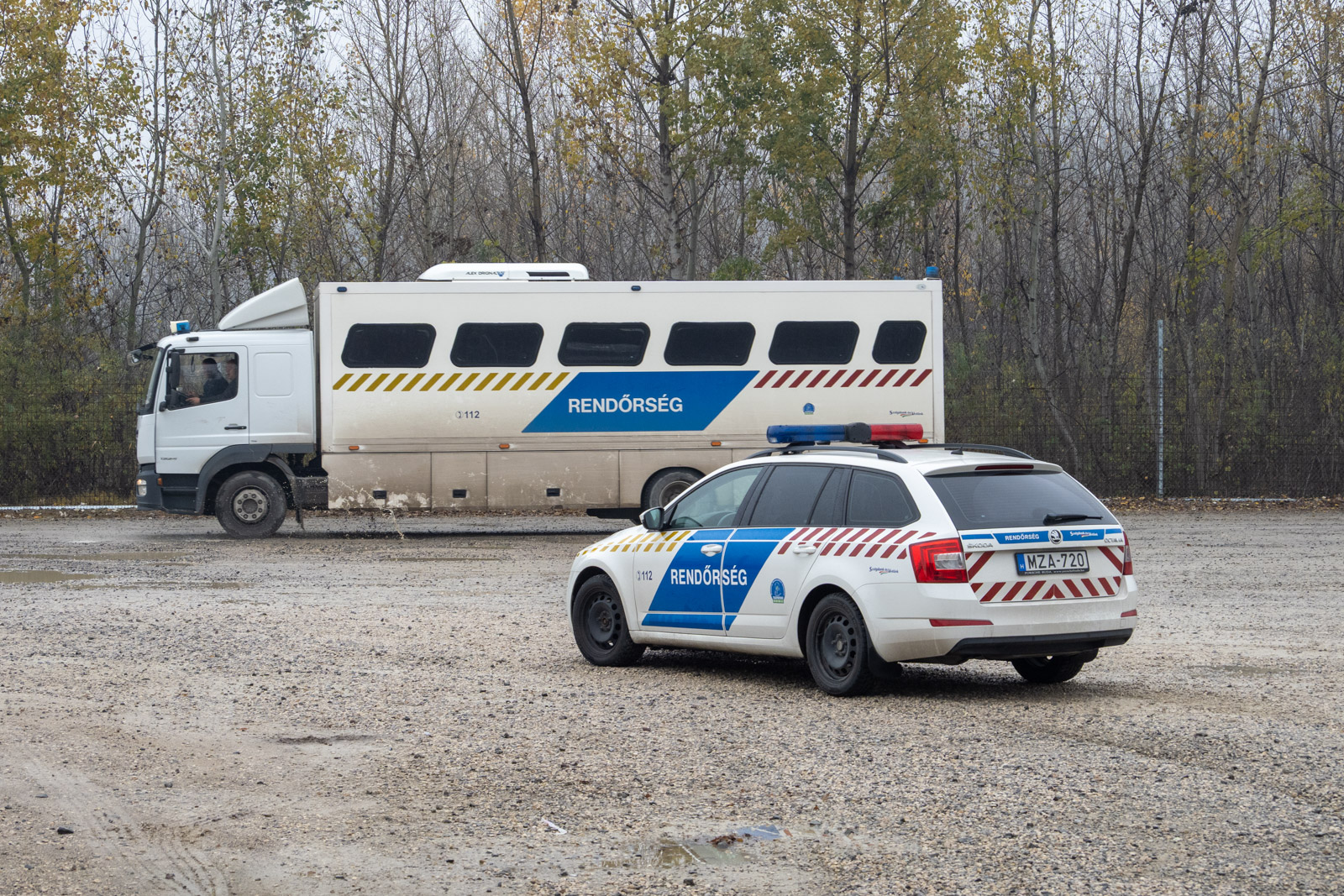
At the Hungarian-Serbian border. November 2022
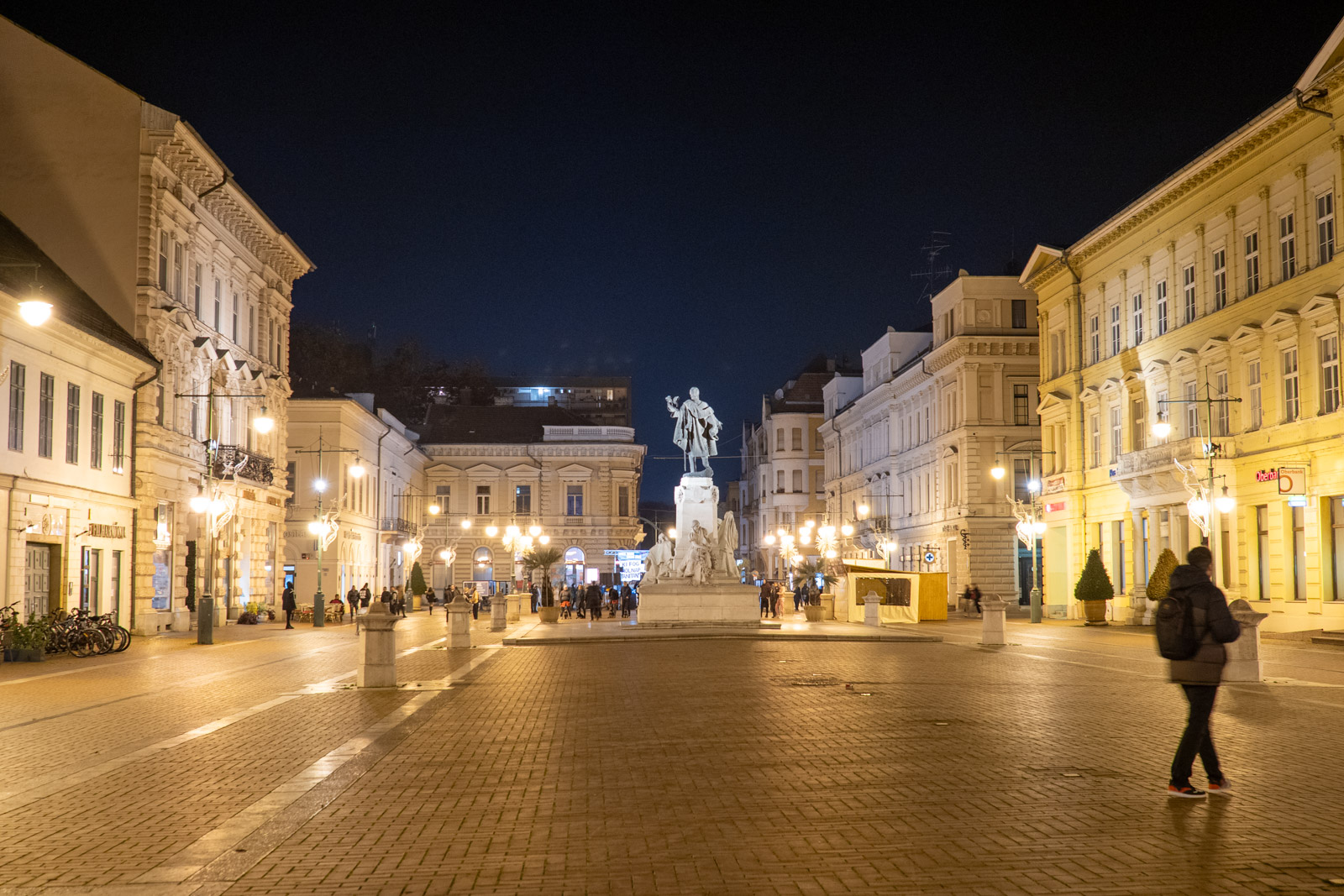
A November evening in 2022. Night falls over the Hungarian city of Szeged which looks already asleep. The Móra Ferenc museum features an exhibition about “cowboys” and “indians”. The charming city centre has nice shops and bars, but many are already closed.
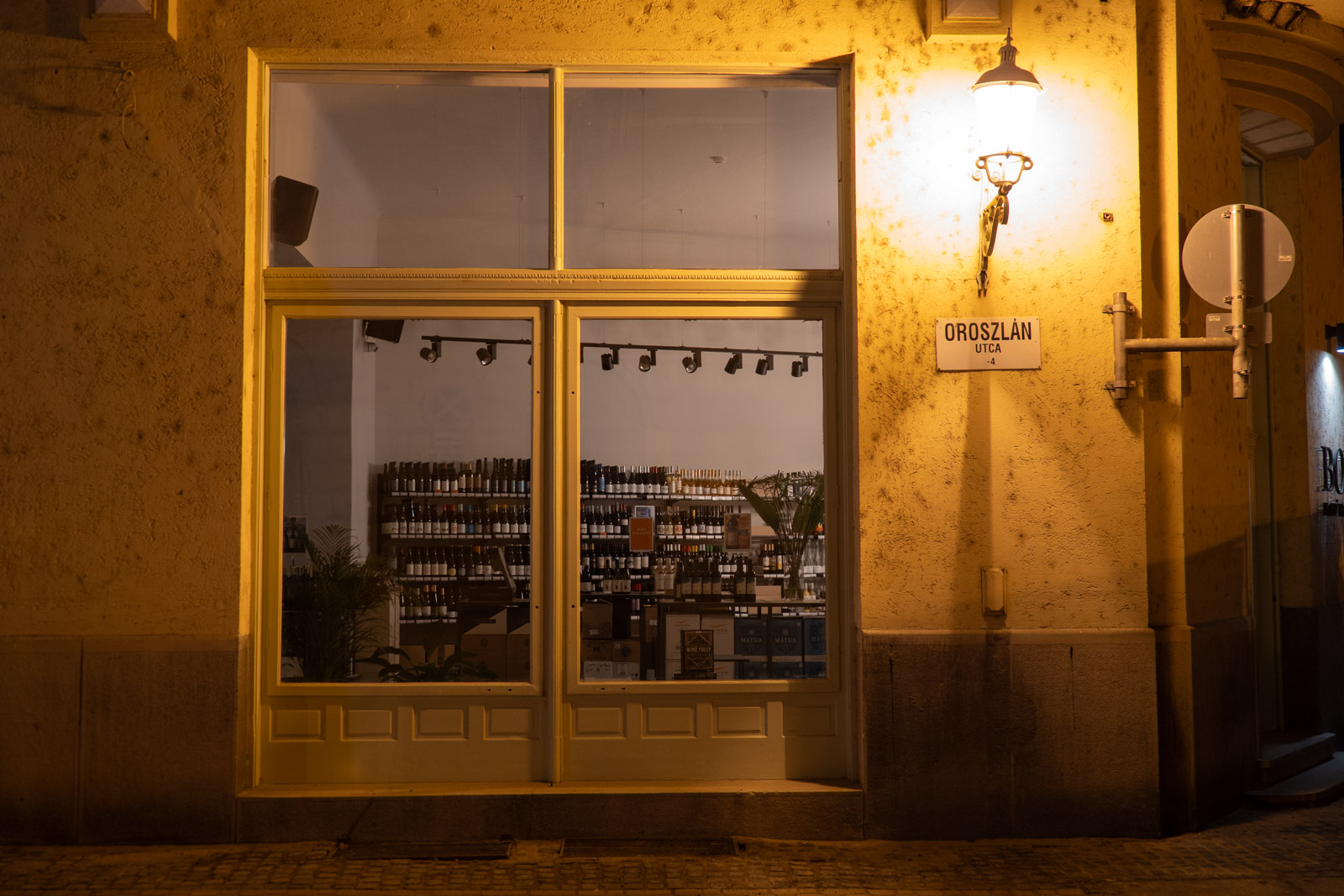
Only at the Klauzál square there is a demonstration about the poor state of education and teachers. With around 160,000 inhabitants, Szeged is Hungary’s third largest city and an important university centre. Since 2002 the left-leaning László Botka rules as mayor. The city has a reputation as a centre of opposition to Viktor Orban's Fidesz party.
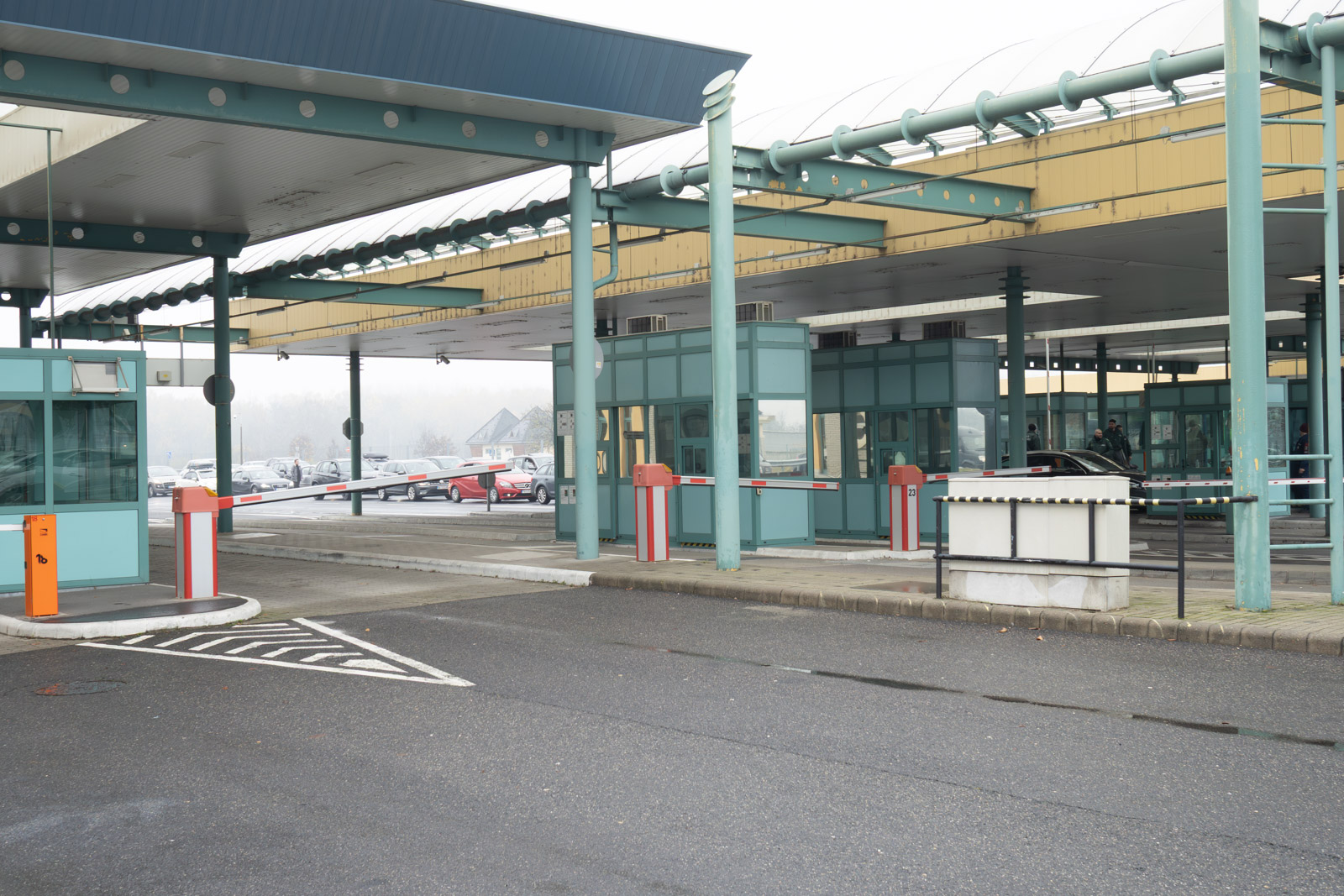
Just a few kilometres outside of Szeged is the Röszke-Horgos highway border crossing. It is one of the key entry points from the Balkans into the EU. In peak times, long queues keep passengers waiting for hours.
In 2015, Viktor Orban started building a fence covering the whole Hungarian-Serbian border which extends over 175 kilometres. A first initial barrier was erected over the summer. A stronger structure was finished in 2017. Since then it has become practically impossible to apply for asylum at the Hungarian border. According to data from Eurostat, in the whole year of 2021 less than 50 persons managed to file an asylum claim in Hungary.
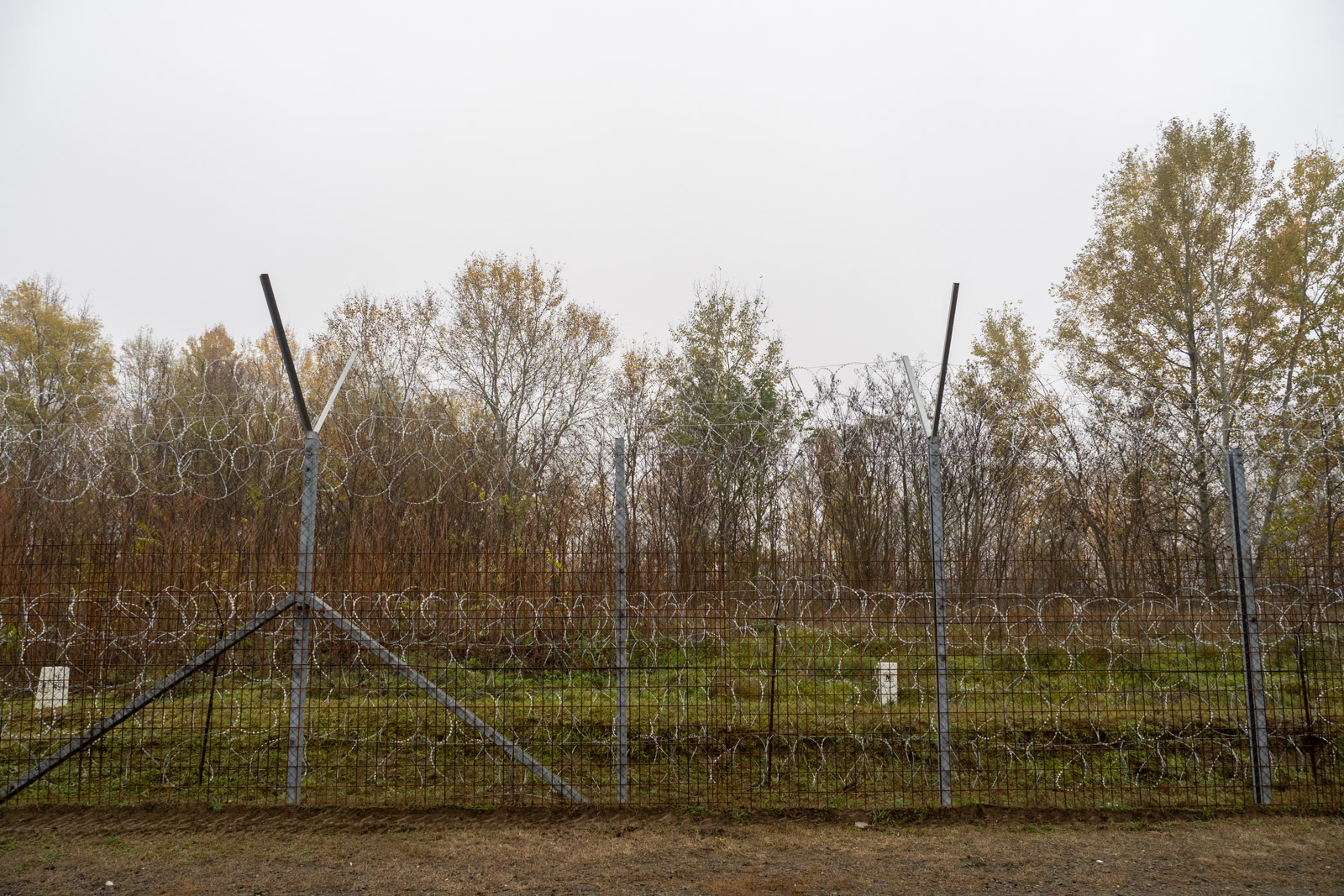
The whole border is now covered by a double-fence system which was repeatedly upgraded.
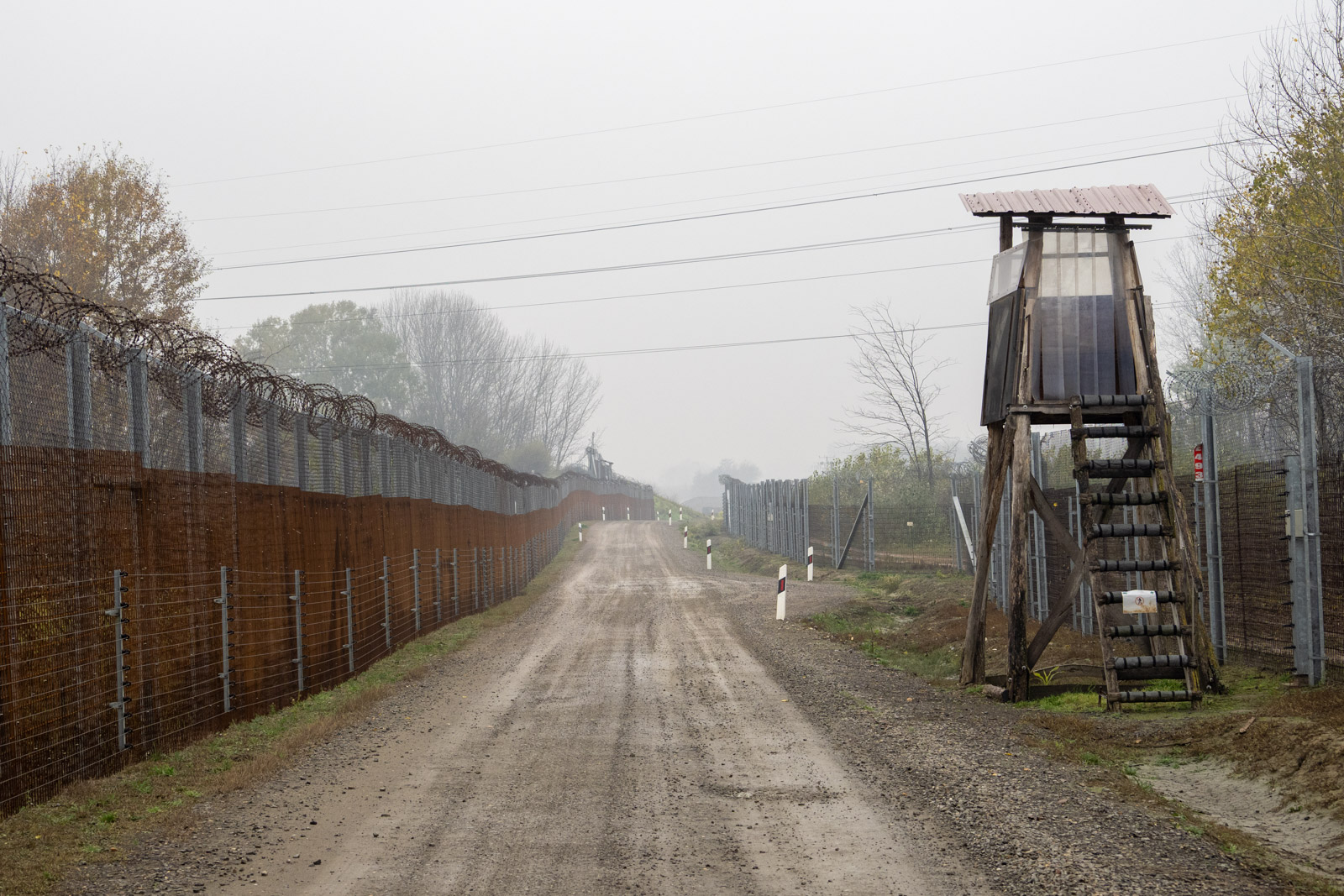
A policeman explains that keeping people from crossing into Hungary is a cat and mouse game. “First we had a simple fence. They used wire cutters to get through. We made it stronger, but then they dug holes under the fence. We added better foundations ... and so it continues. Whenever we improve our structure, it takes some time, but then they find a way around it. The latest thing they came up with is very simple: three cheap ladders made of aluminium - one to get on top of the first fence, the second to get down again, the third to get on top of the second fence, from where they simply jump.”
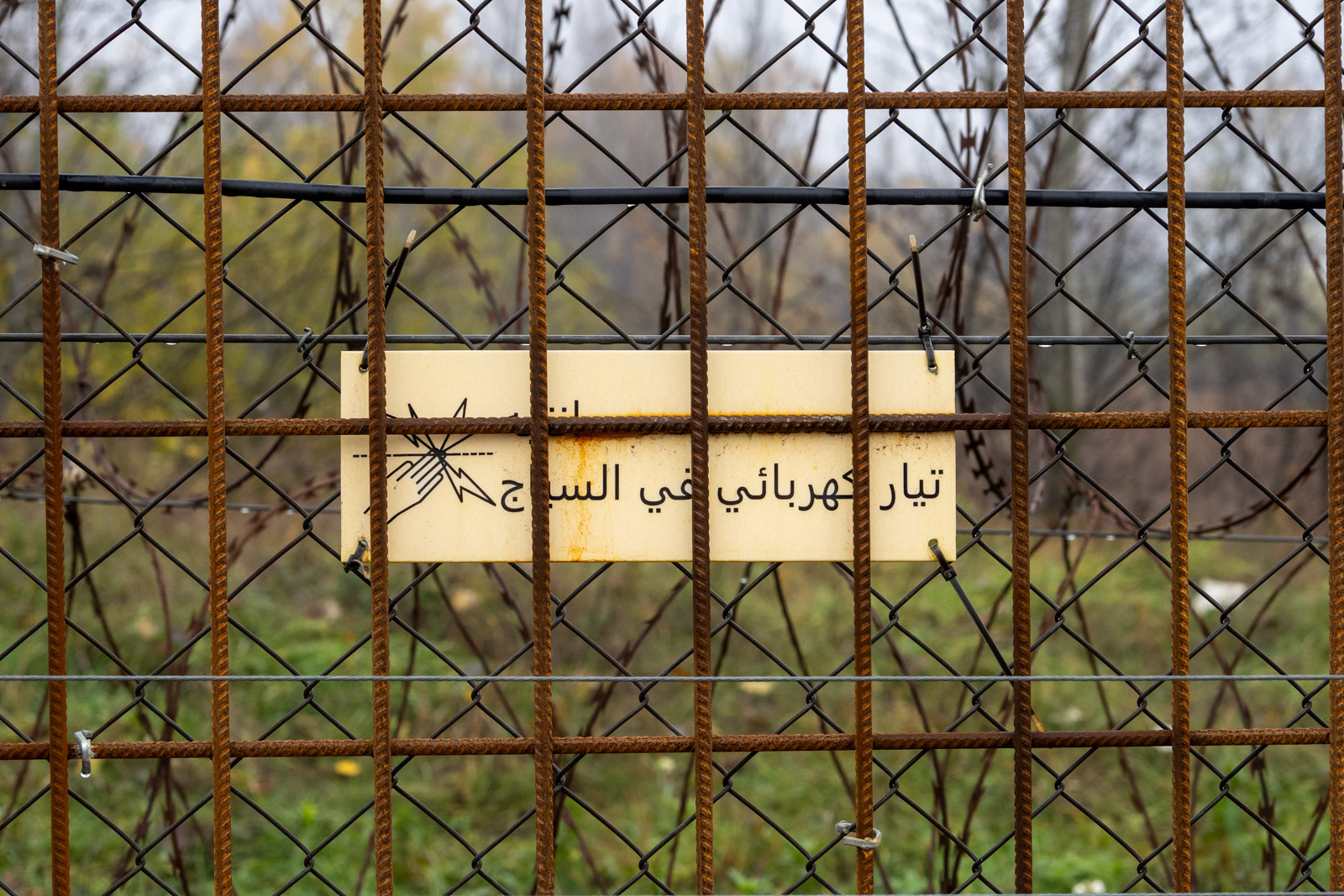
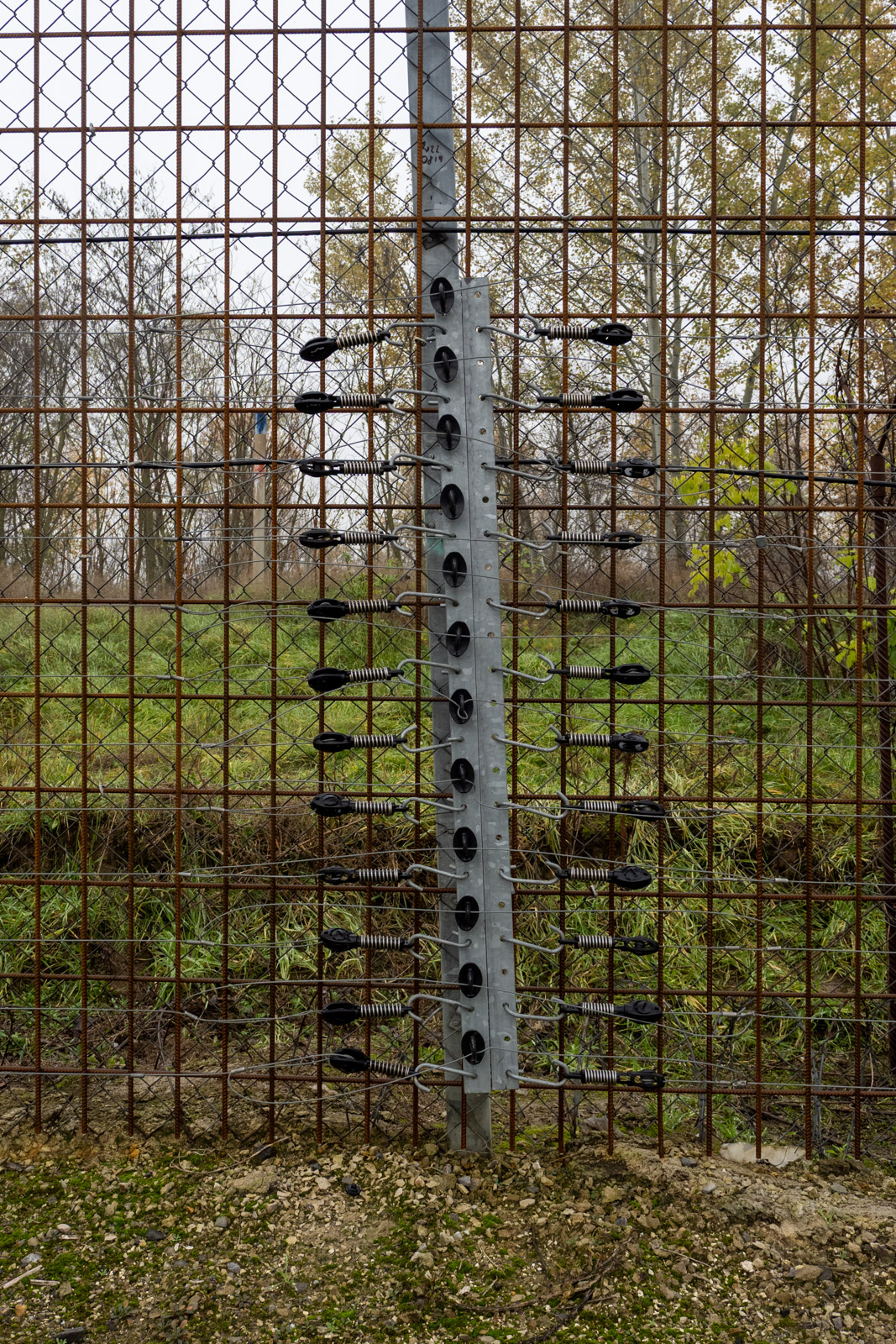
Some sections of the fence have electro-shock capacities. But apparently this is not of much help against those who use ladders.
From January to October 2022, Hungarian police caught 70,874 individuals between the two fences and intercepted another 118,141 deeper into Hungarian territory after crossing the border. Those caught are brought back to the border with police transports.
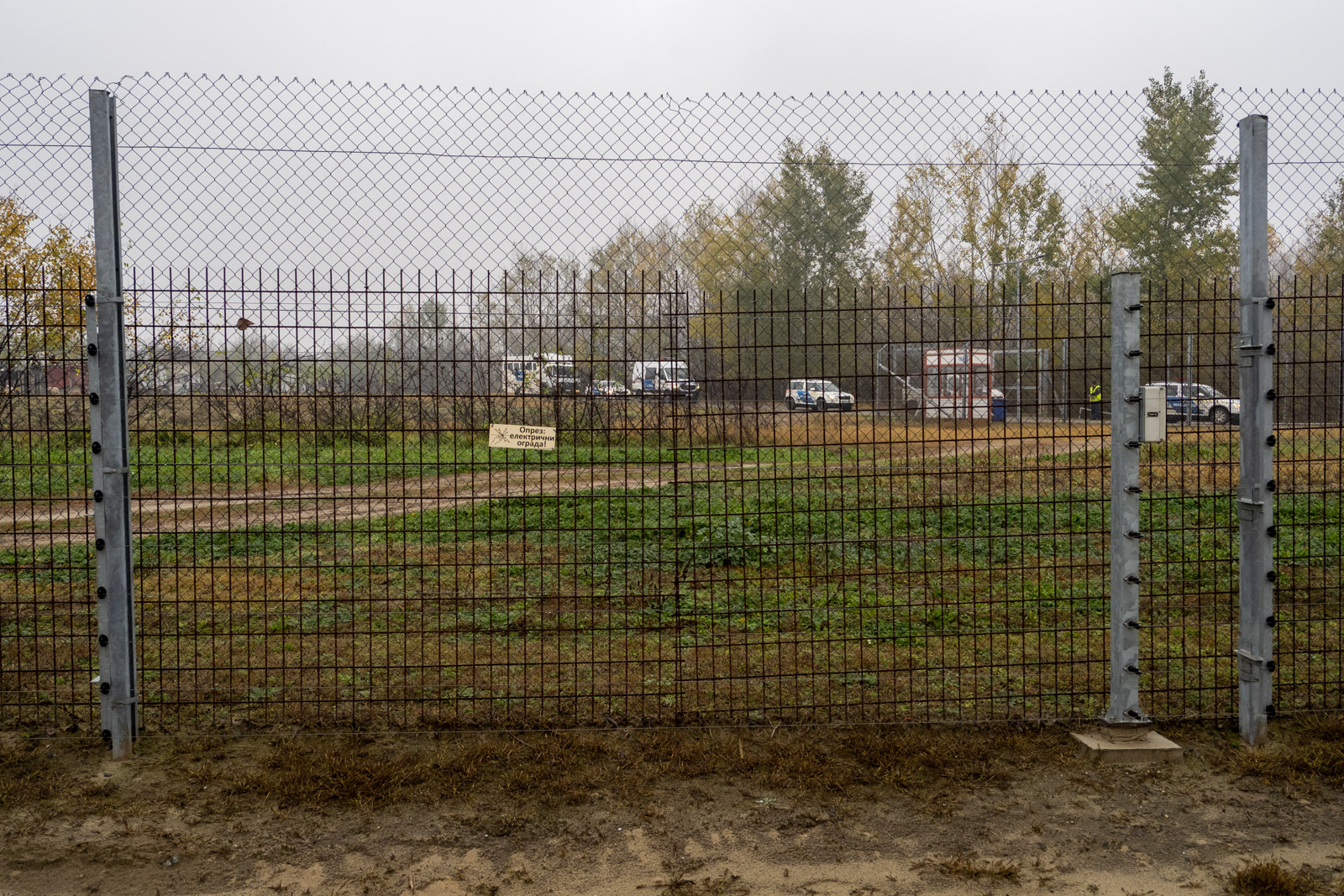
Here, close to Röszke, there is a sort of police camp directly at the fence, where Hungarian police return those captured to the Serbian side of the fence depriving them of their right to file an asylum claim.
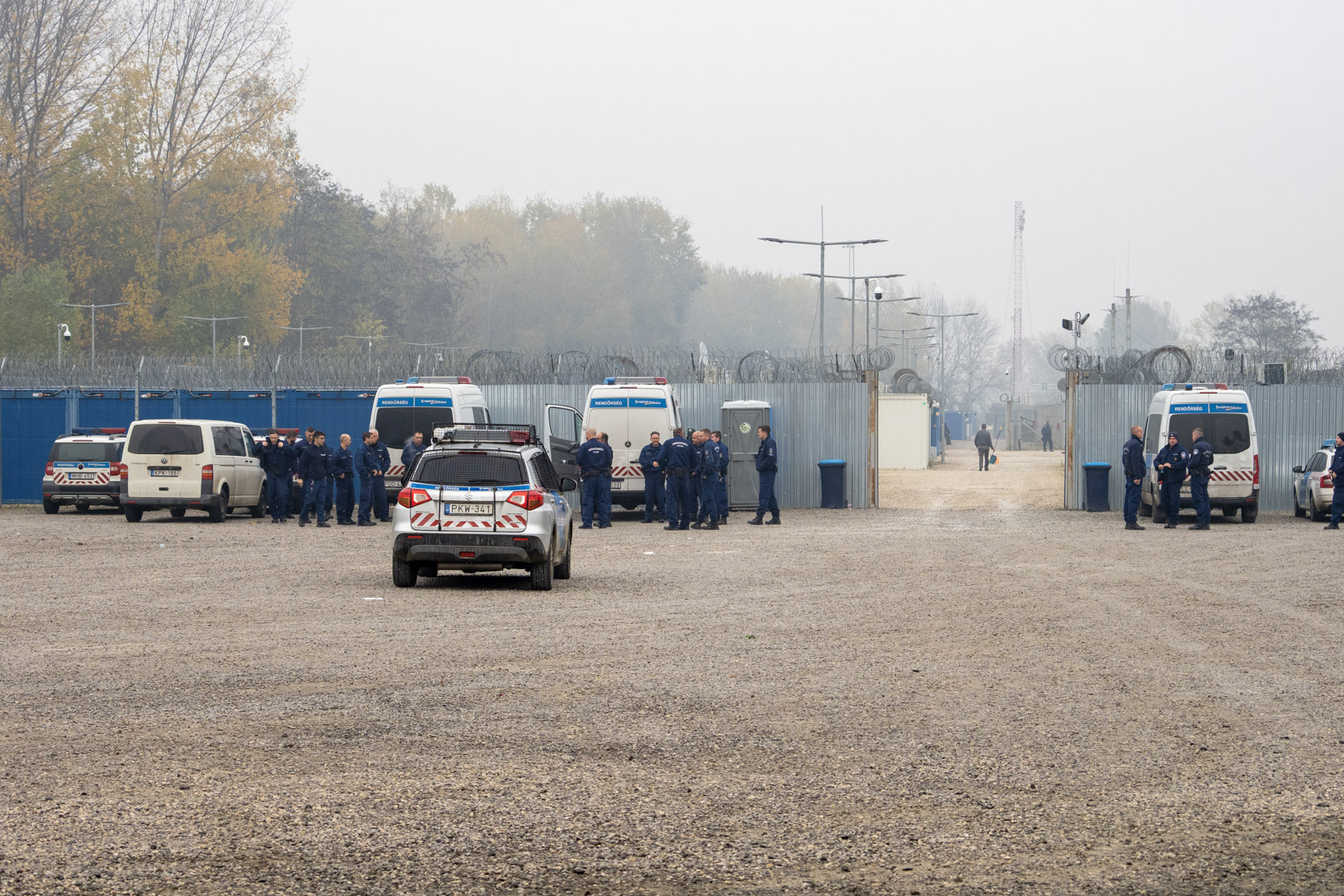
In 2020, the European Court of Justice (ECJ) ruled that this practice constituted illegal push-backs. The court found that Hungary violated EU asylum law by restricting access to international protection.
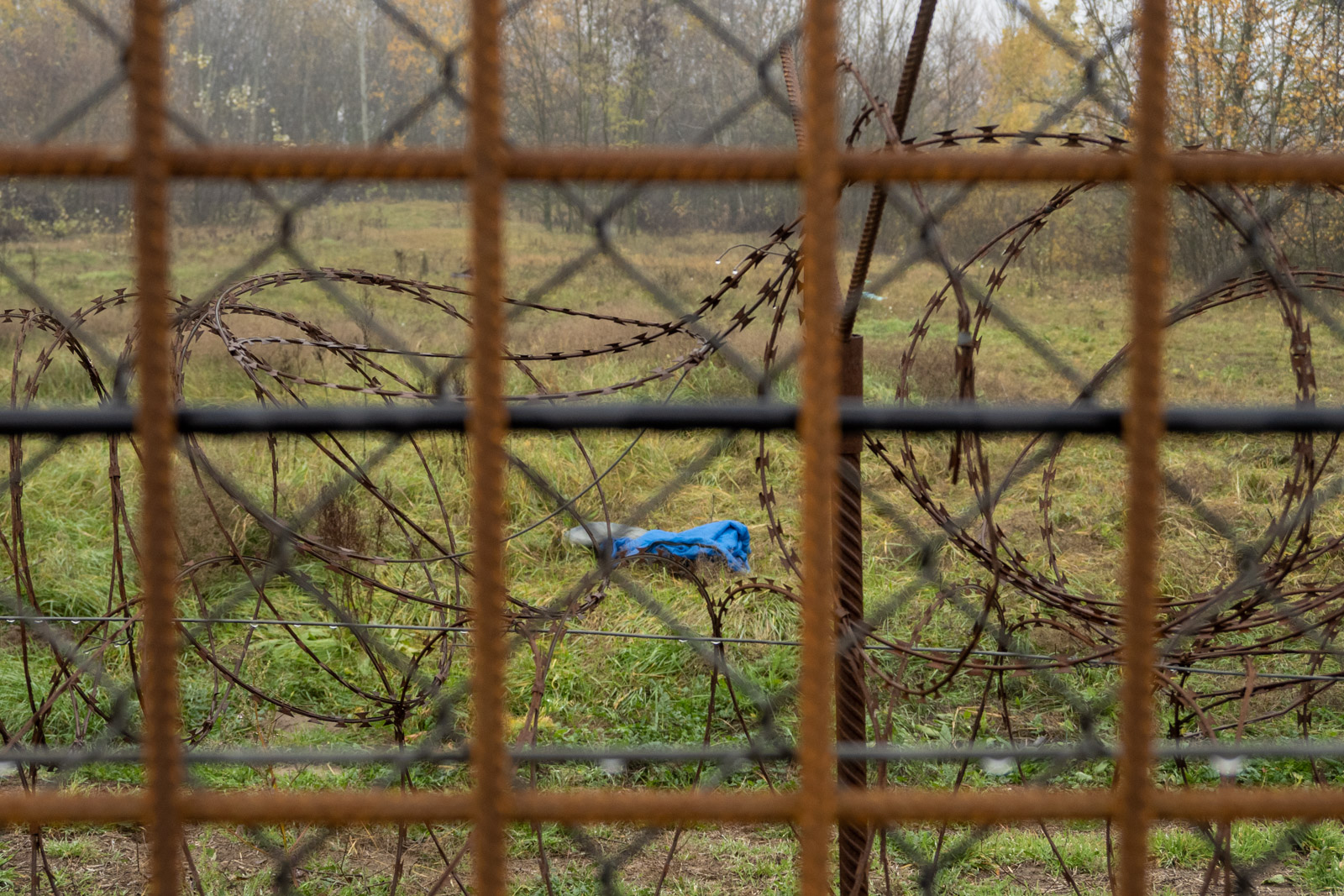
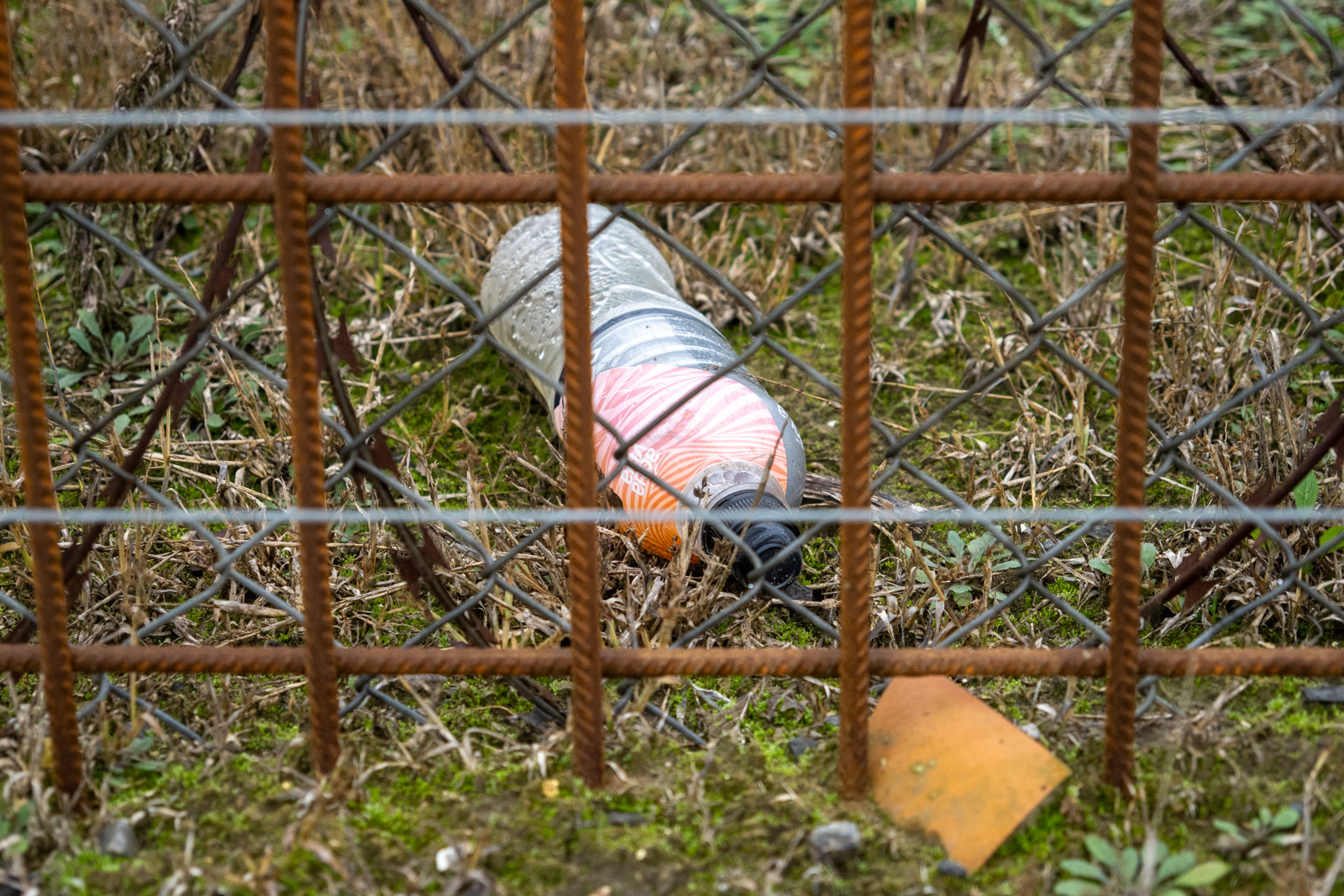
Abandoned clothing, snacks and water bottles give silent testimony of the continuous efforts to overcome the barrier.
Police cars patrol on the gravelled road between the two fences. Every few minutes a car comes through. Sometimes they are held up by groups throwing stuff over the border fence, thereby creating a longer time interval for others to cross the fences a few hundred metres further.
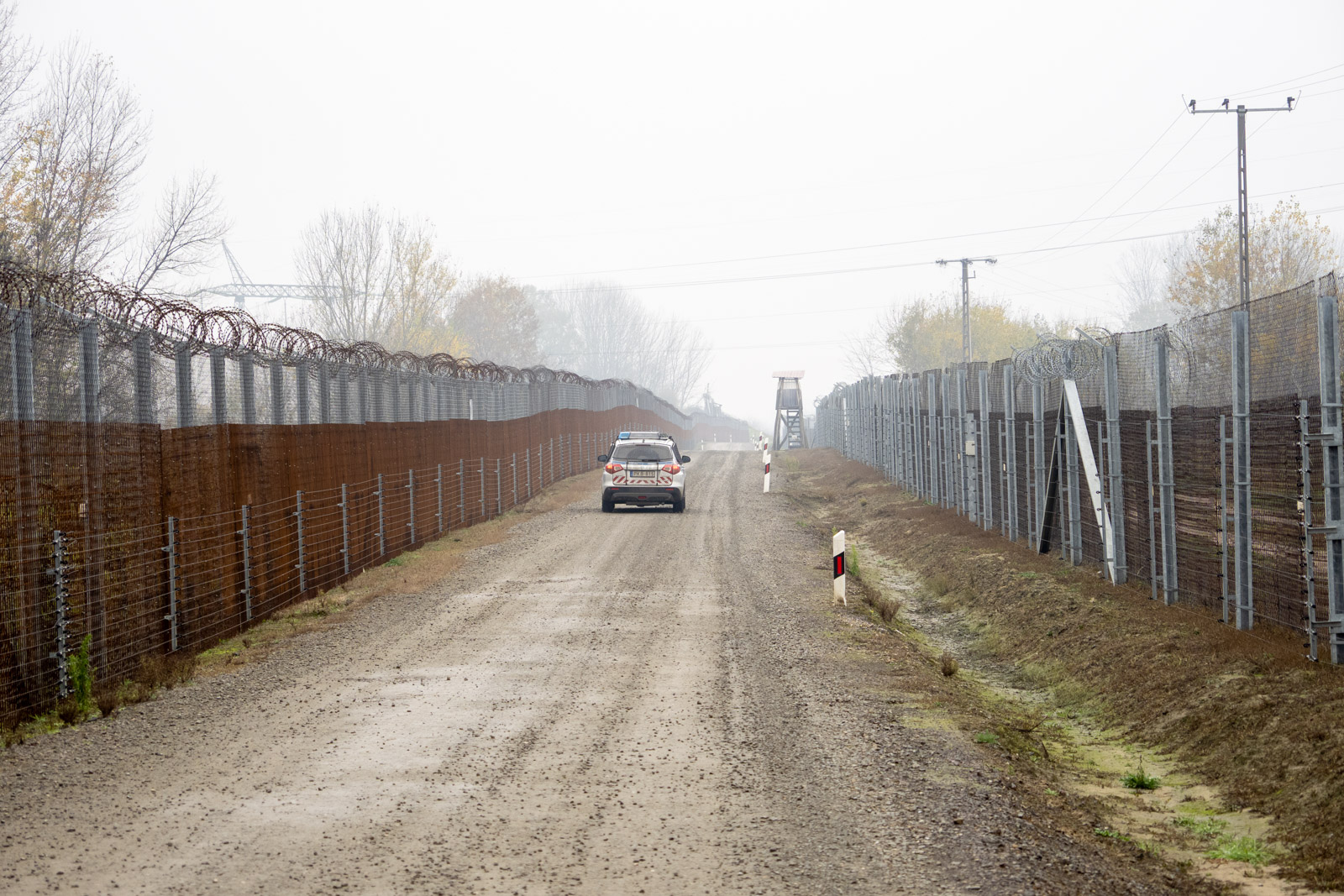
The police transport returns empty. It will not take much time for it to return with another group of - mostly young - men that have managed to cross the fence but were picked up somewhere further inside Hungary.
Viktor Orban’s government plays a cynical game. It pushes all those that it captures back over the border. Those who manage to get through leave Hungary as quickly as possible for countries with a decent asylum system where they do not have to fear to be pushed back. For Hungary, this results in annual asylum application numbers in the double-digits, and even less cases of granted asylum. However, at the same time tens of thousands of asylum seekers manage to cross Hungary every year.